



the ITSCI Programme for Responsible Mineral Supply Chains
an award-winning multi-stakeholder programme contributing to better governance, human rights & stability
About ITSCI
The ITSCI Programme:
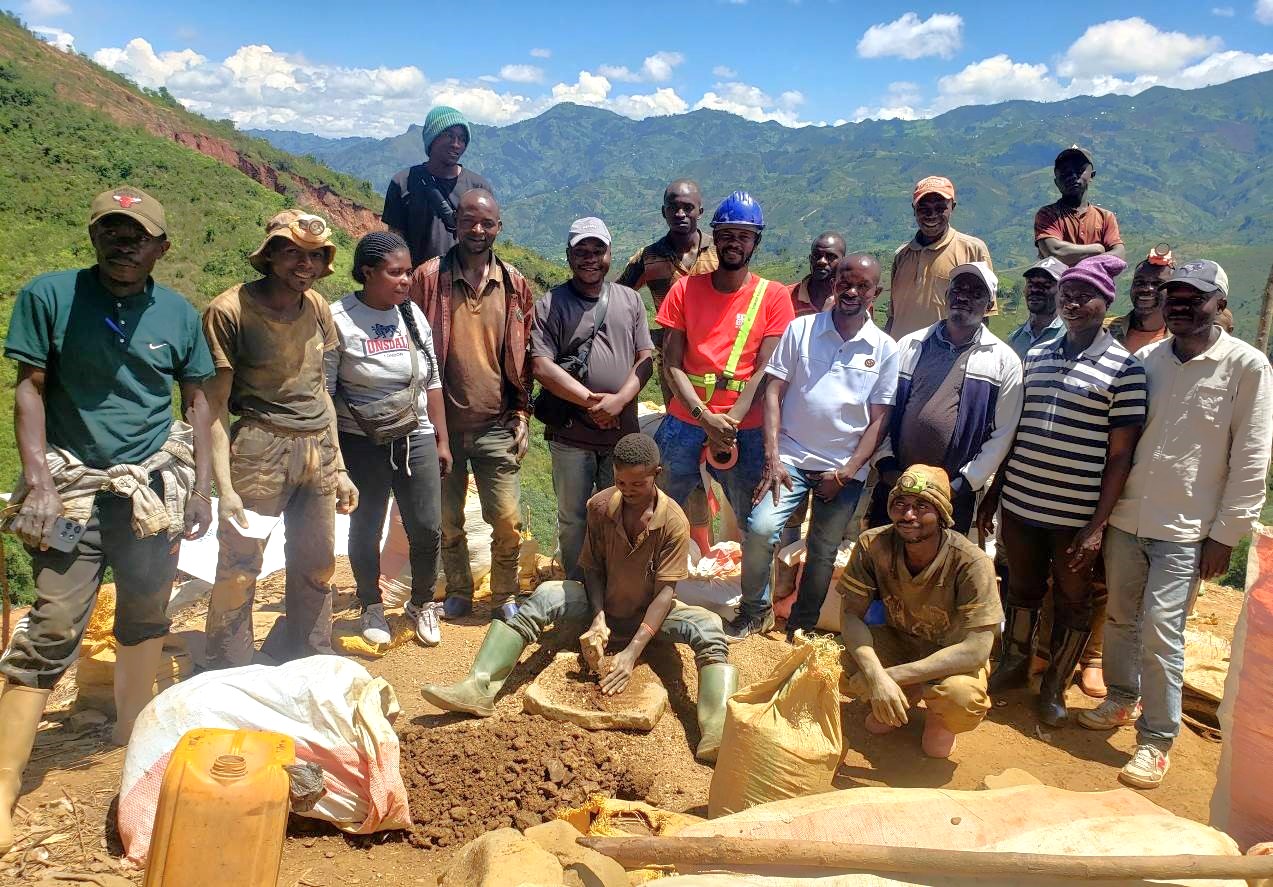
- monitors around 3,000 artisanal and semi-industrial mines
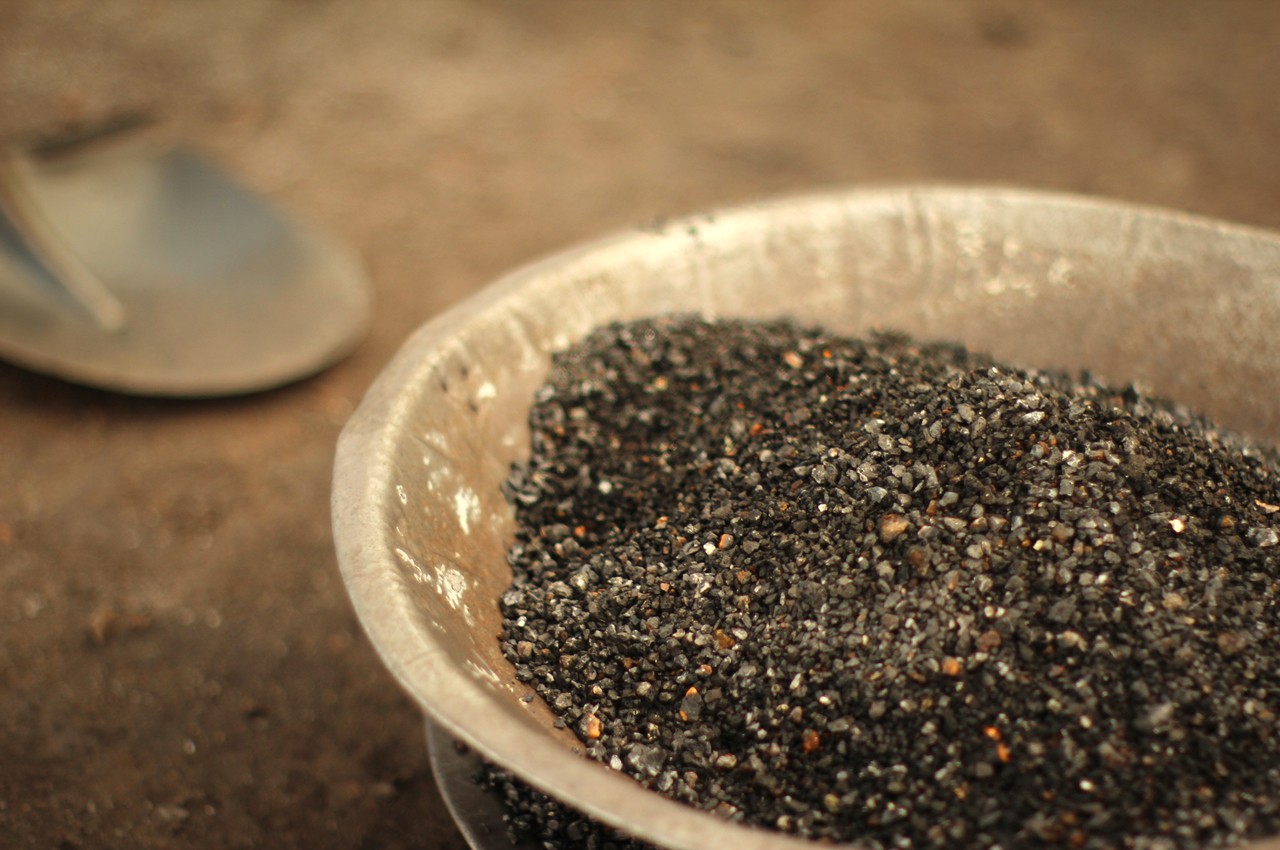
- supports the responsible export of over 23,000 tonnes of 3T minerals each year
- supports the practical implementation of the OECD Due Diligence Guidance for Responsible Supply Chains of Minerals from Conflict-Affected and High-Risk Areas
- works in partnership with the governments of Burundi, the DRC, and Rwanda and with civil society organisations

Our impact
monitored mine sites across the Great Lakes Region
artisanal miners supported through ITSCI
average yearly export tonnage, in tonnes
average incidents recorded each year

The International Tin Supply Chain Initiative is a traceability and due diligence programme for the tin, tantalum, and tungsten (3T) minerals, currently implemented on the ground in the African Great Lakes region – Burundi, Democratic Republic of Congo, Rwanda, and Uganda.
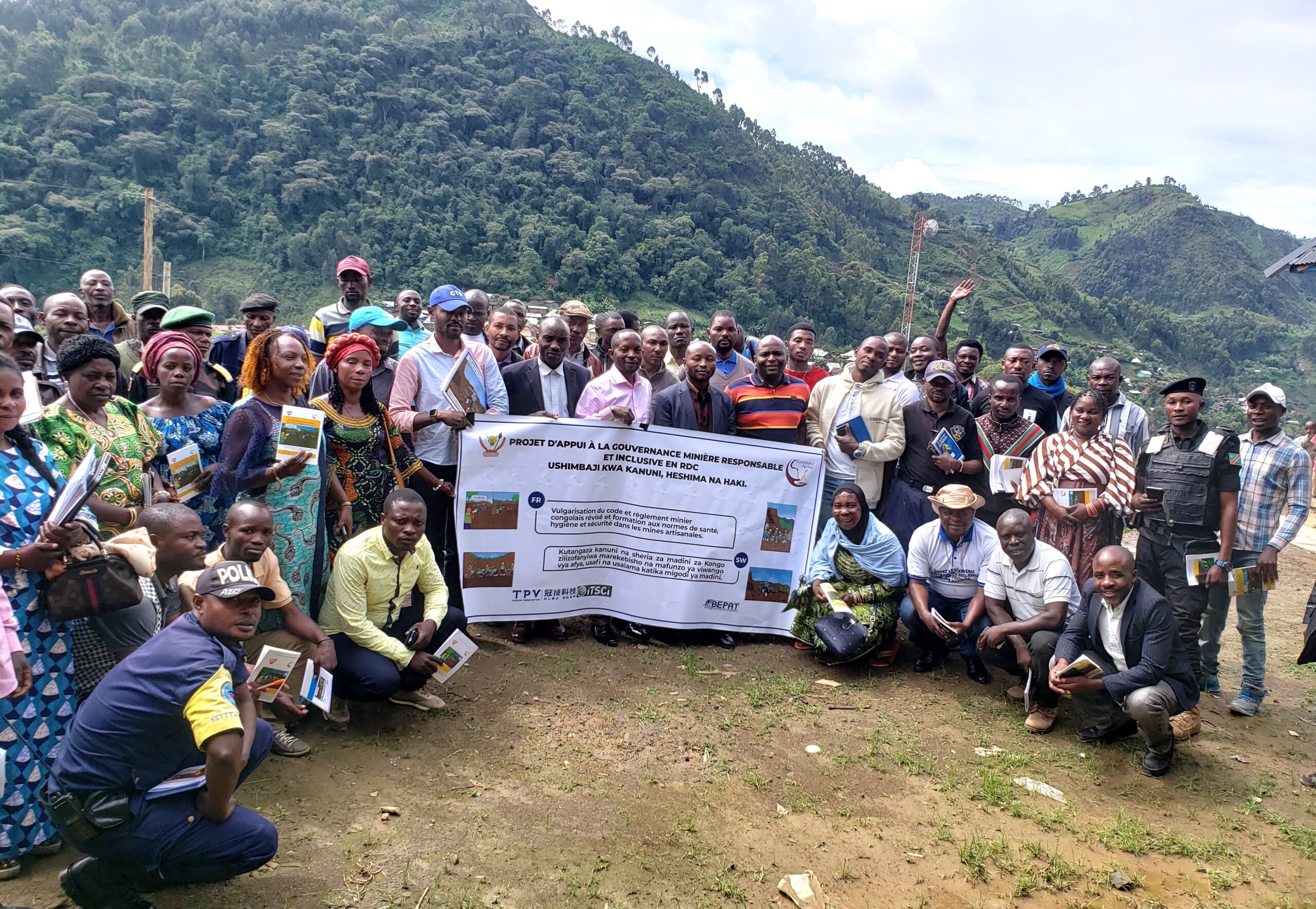
Our commitment to responsible sourcing starts at grassroot level with an on-the-ground team continuously collecting, verifying, and reporting on OECD Annex II risks and beyond, including information on mining activities, community developments, and political and security situations.
As a facilitation initiative Fully Aligned with the OECD Guidance, we support companies with their due diligence responsibilities. One of our core activity is to deliver training and tools to multiple stakeholders at all levels of the supply chain, and one of our key strengths lies in acting as a convening force and instrument of mediation to support risk mitigation and resolution. Through trusted relationships built with local governments, state services and security forces, including high-ranking officials, our recommendations are both heard and acted upon, leading to increased accountability and tangible actions by these services to mitigate risks.
By making available unique and credible first-hand information, we support businesses to make informed decisions to fulfil their due diligence, and support government authorities and civil society towards progressive improvement and good governance in mining.
Supporting Mining Communities
National and local government
- Increased formalisation of artisanal and small mining
- Improved authority and control of mining sector
- Training and advice for due diligence monitoring
- Improved data and potential tax collection
Local communities
- Opportunity to report and resolve risks
- Increased security, support and income
- Share of taxes for infrastructure and projects
Become an ITSCI Member
Local miners, traders and exporters
- Improved security and reduced corruption
- Economic and social development
- Reduced risk and potential investment
Traders and smelters
- Reliable information from the field
- Increased access to consistent supplies
- Reduced reputational and financial risk
Downstream companies
- Information for Dodd Frank & other compliance
- Reduced reputational risk
- Opportunity to make a difference ‘beyond conflict’
News
Urgent funding call for iTSCi conflict mineral programme
ITRI and the Tantalum Niobium International Study Center (T.I.C.) today launched an urgent funding call to address the need for immediate expansion and implementation of the ITRI Tin Supply Chain Initiative (iTSCi) due diligence scheme in the Democratic Republic of...
ITRI and ICGLR to co-operate on conflict mineral traceability in the Great Lakes Region
ITRI and the International Conference on the Great Lakes Region (ICGLR) are pleased to announce signature of a co-operation agreement that aims to seek harmonisation between the ITRI Tin Supply Chain Initiative (iTSCi) Phase 2 mine-to-export traceability and due...
MSC clarifies conflict tin position
Malaysia Smelting Corporation has rejected suggestions that the acceptability of its tin has been adversely affected by impending US legislation, Metal Bulletin reports. MSC was responding to an earlier MB report that buyers were wary of accepting its tin, as it was a...