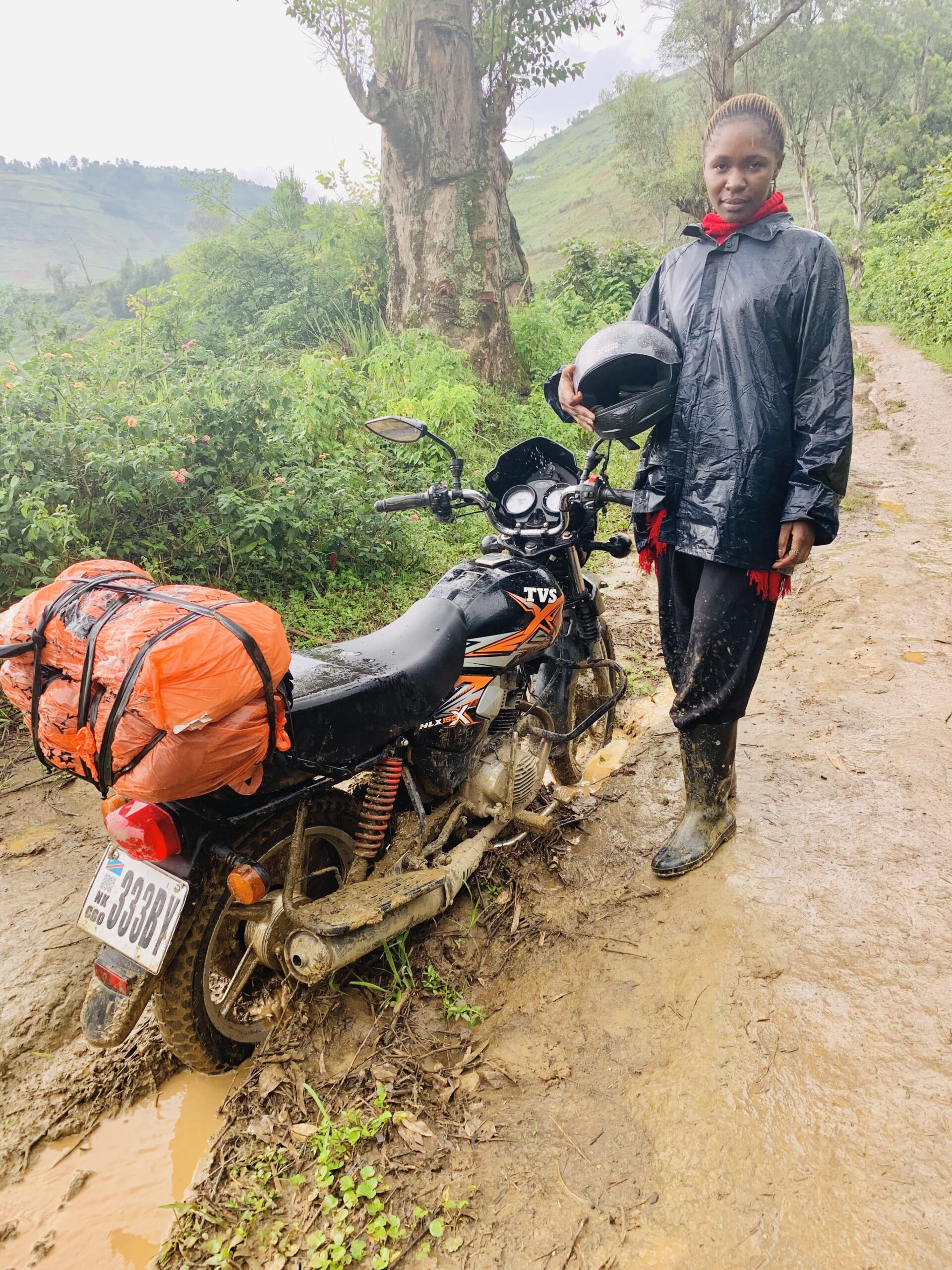
In artisanal and small-scale mining, women account for 30–50% of workers, yet their contributions are often overlooked. This International Women’s Day, ITSCI shines a light on the women driving responsible minerals trade from the ground up. Among them is Melissa, an ITSCI team leader whose commitment to improving conditions in the Democratic Republic of the Congo (DRC) continues to guide her work. From early mornings carrying out field visits at remote mine sites to coordinating awareness-raising and capacity-building sessions for local stakeholders, Melissa’s journey reflects the strength and impact of women who drive ongoing improvement on the ground.
Melissa, originally from South Kivu Province, is a geologist by training and a graduate of the Université Officielle de Bukavu. Her studies in Geotechnics and Hydrogeology set her on a path in the mining sector, and a course on mining legislation in her final year sparked an interest in mining governance. She never viewed mining as a ‘male-dominated’ field to avoid, instead, she focused on the practical contribution she could make. Since joining ITSCI in 2022 as a Field Officer to now working as a team leader in Manono territory, Tanganyika Province, she has continued to apply that early interest to her work.
Although she has faced challenges as a woman in the mining sector, she explains that collaboration within ITSCI field teams and her determination have helped her to address them effectively. She remembers customary rules in parts of South Kivu which prohibited women from working at mine sites. After two years of discussions through local multistakeholder meetings (Comité Local de Suivi, CLS) and engagement with community leaders to demonstrate the value of women’s participation, she is now proud to see women working in mining in those areas. She has also had to contend with assumptions about what women can or should do in the field: “They tell you, you can’t do this. It’s too dangerous for a woman’’. Melissa explained she addresses this not by argument, but by staying focused on her work and demonstrating capability through practice. She explains that her role at ITSCI has strengthened her skills in field monitoring, risk analysis, data management, team coordination and training of local actors, all essential elements of supporting responsible supply chains.
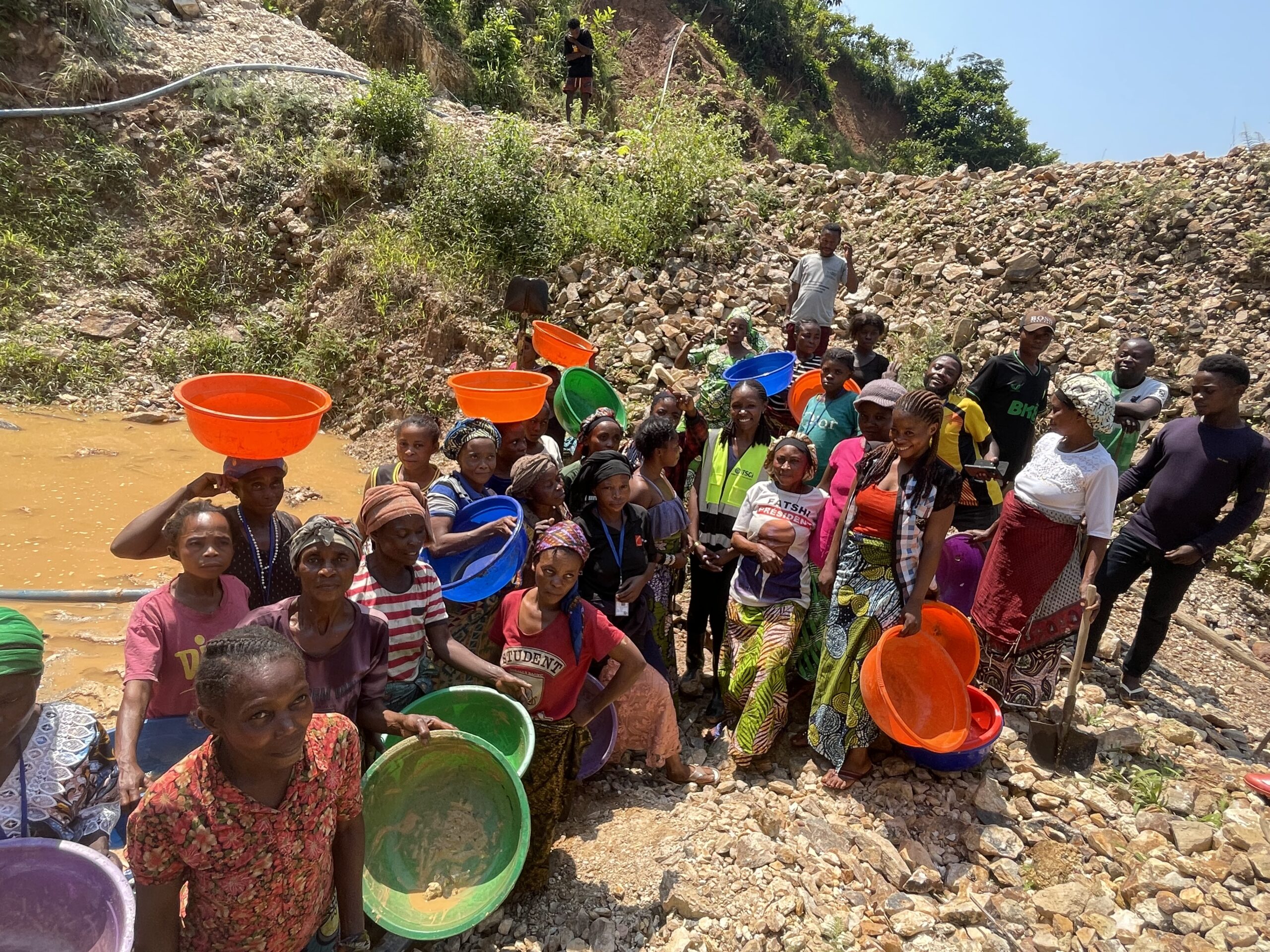
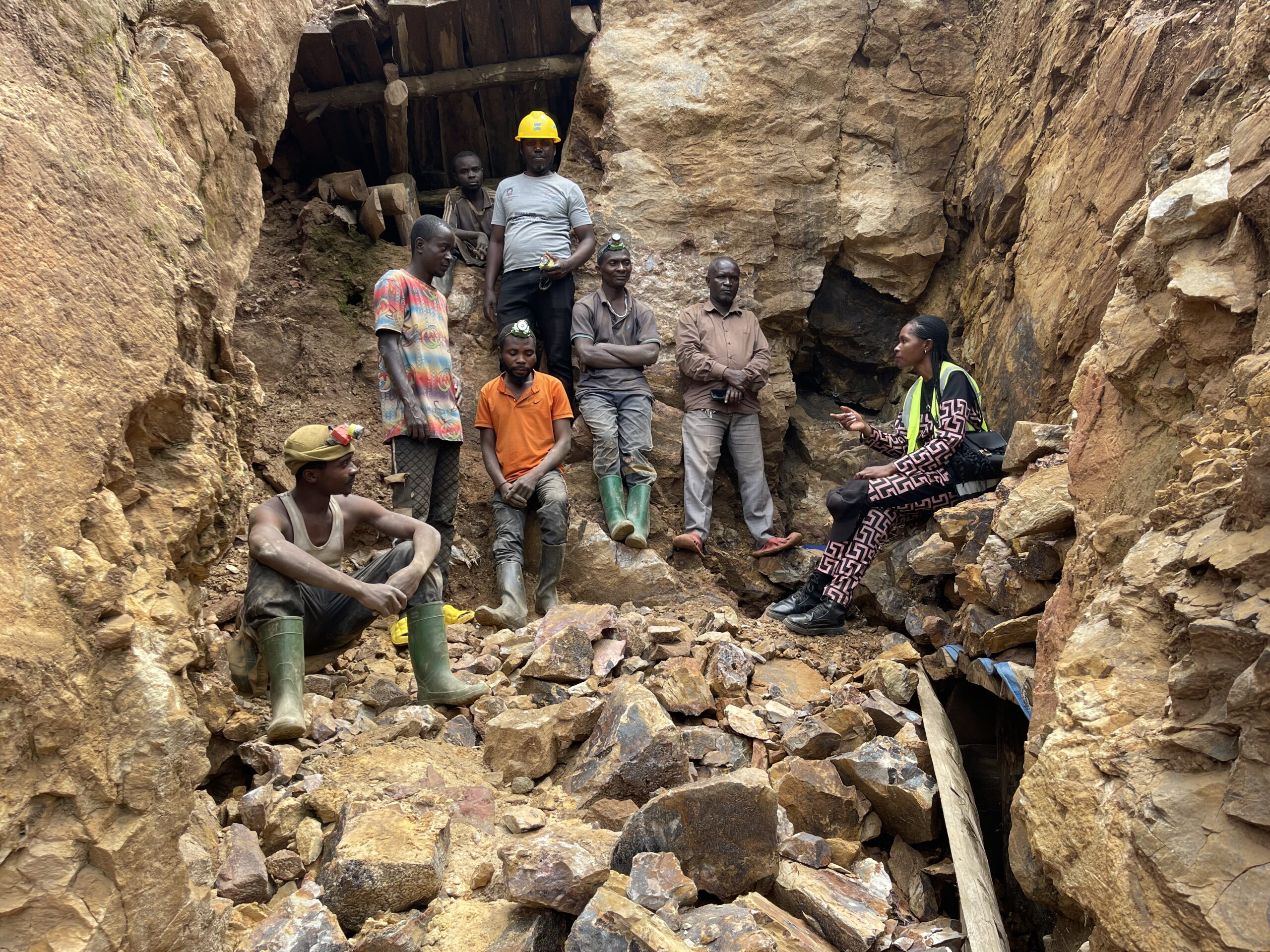
Launch of ITSCI activities in Kakanga sub-sector, Mwenga territory, South Kivu Province.
Over time, Melissa has observed clear positive changes. One of the most significant is a shift in mindset. “Communities have taken ownership of the ITSCI Programme,” she notes, describing how training and awareness‑raising sessions have helped local actors understand the need to manage risks. She has also seen tangible progress for women in mining areas where access was once restricted. Some have moved from supporting roles, such as preparing food on sites, to taking on more direct responsibilities: becoming négociants (traders) or even managing teams of artisanal miners. “They are now fighting to break the chains that once limited them,” she added.
When asked what makes her most proud, Melissa returns to the communities she works with.
“My greatest pride is seeing communities that once knew nothing about international mining standards now contributing to improving responsible practices.”
Their efforts also help drive local development, with responsible trade creating the conditions for communities to benefit from their own production. For Melissa, these changes show the concrete impact of shared effort and regular awareness-raising.
Her message to women considering the mining sector is straightforward. She encourages them to engage with a clear understanding of the challenges, but without feeling the need to carry the weight of a cause on their shoulders. “Do it to achieve your own aspirations. By being true to your goals, you will naturally contribute to the wellbeing of your community.”
On the broader contribution of women to the sector, Melissa sees two important groups. First are the women working directly in mining. “Their contribution is immense. They play a vital role in the local economy and in supporting their families.” The second group are those working in projects, companies and organisations linked to the sector. “These women are a source of hope for those who doubt. By rising to the challenges, they are setting an example and proving that attitudes are changing.”
Reflecting on her time at ITSCI, Melissa highlights the value of small but meaningful, continuous, contributions: informing communities, helping address local challenges, and encouraging women in their activities. One memory stays with her in particular: a woman artisanal miner who told her that she works tirelessly so her children can study, and hopes one day her daughter might follow Melissa’s path and help her own community. “Knowing that you inspire a mother to dream of a better future for her daughter gives real meaning to the work we do.”
Today, seeing the results of her efforts on the ground gives her a sense of both pride and motivation. She is encouraged by the progress, particularly among women who have moved from passive roles into more active participation and leadership. “It strengthens me in this work. It gives me even more motivation to continue so that the mineral resources produced by these communities can truly become a driver of development.”
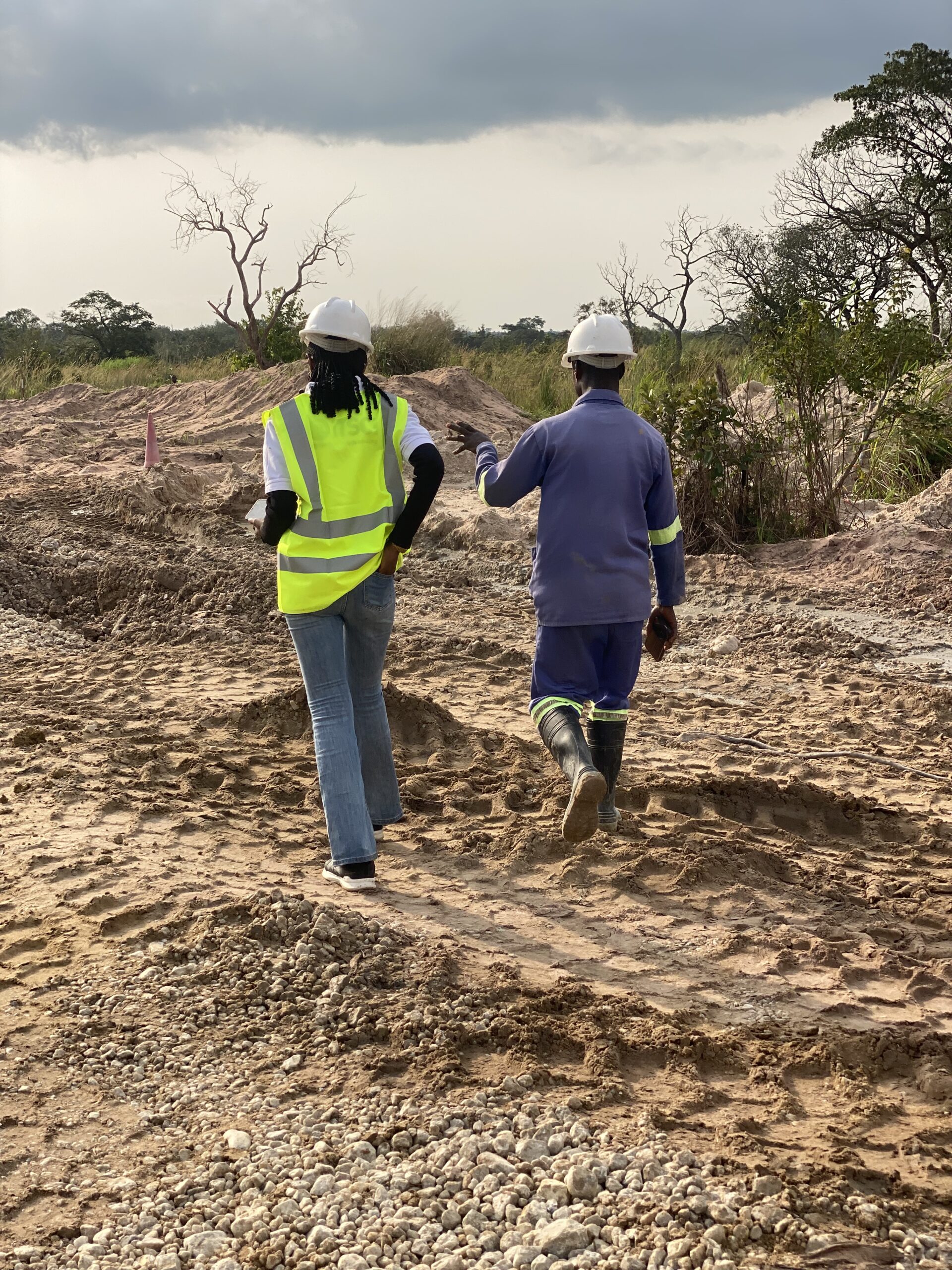
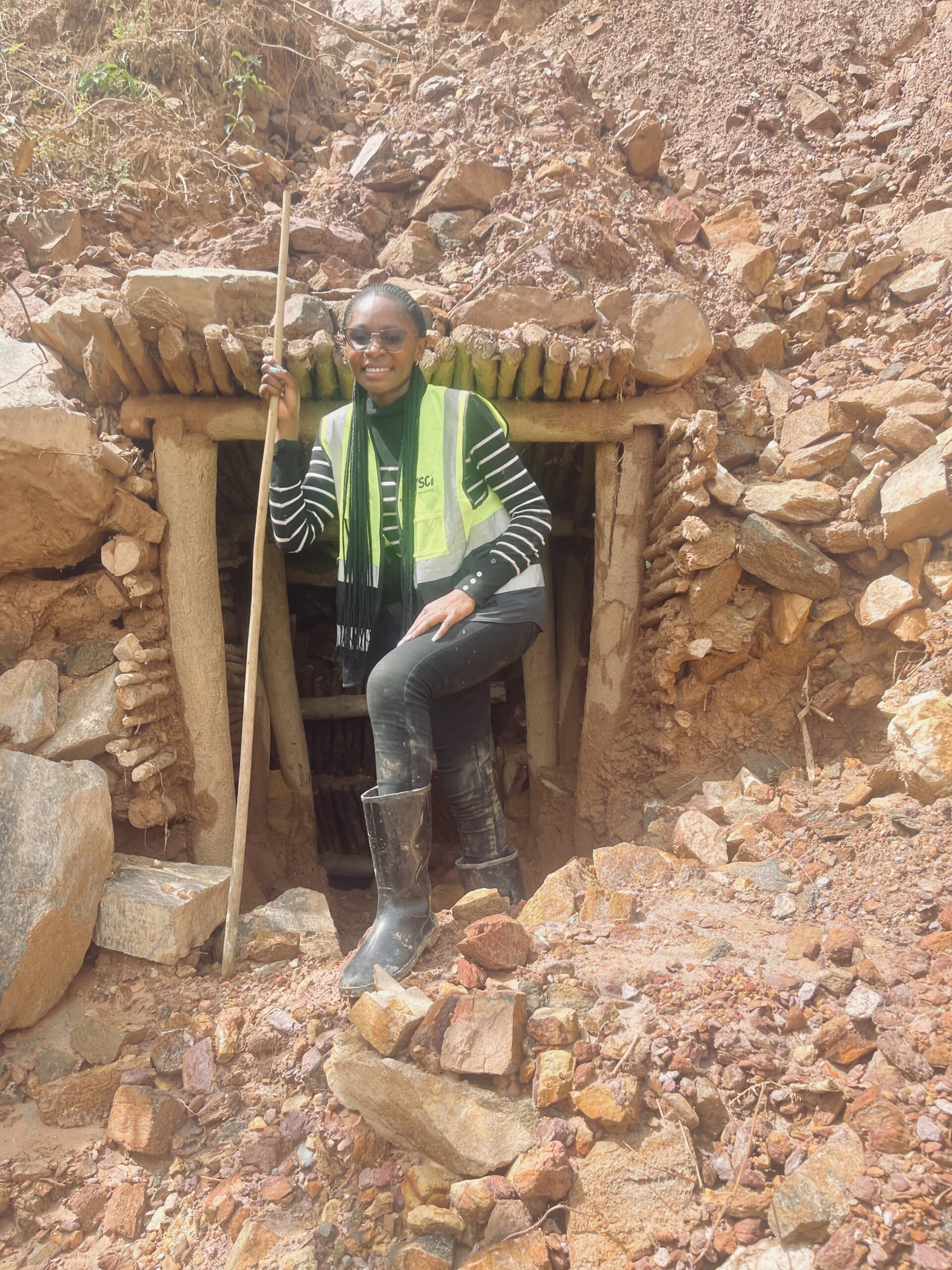
Visit to KITO SI mine site, Manono Territory, Tanganyika Province.
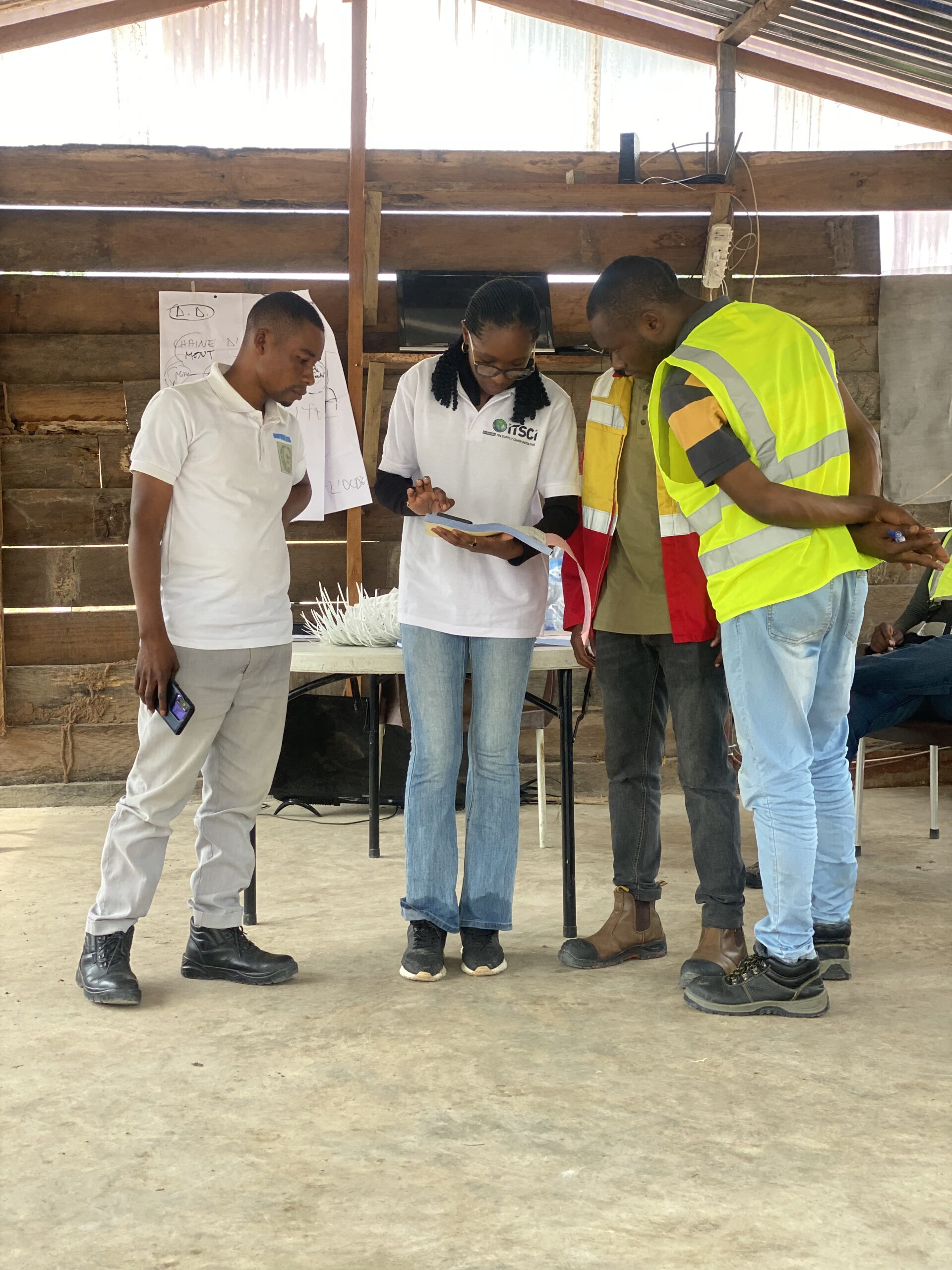
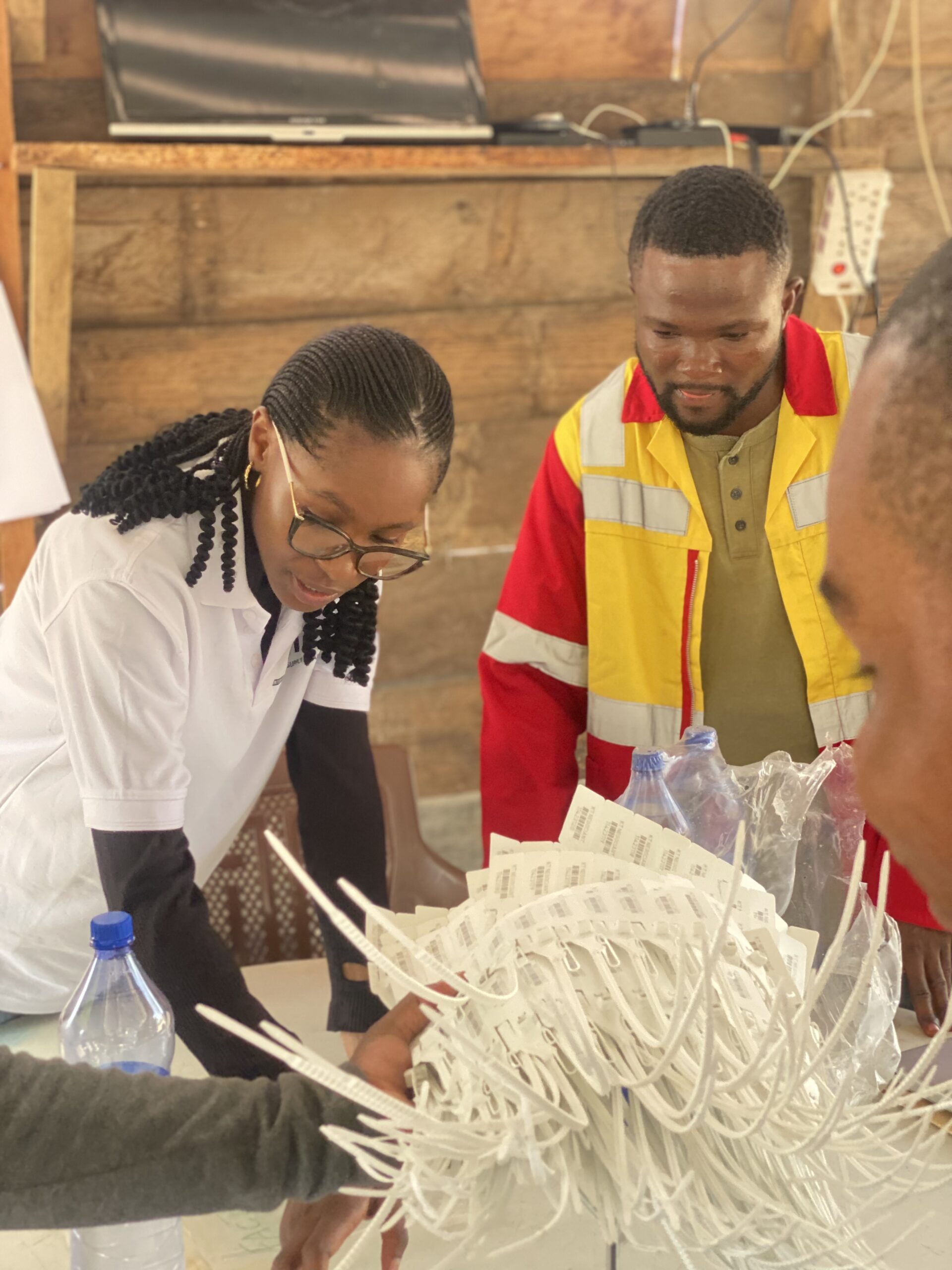
Training of state service agents on the use of ITSCI materials and the completion of logbooks, Manono territory, Tanganyika Province.
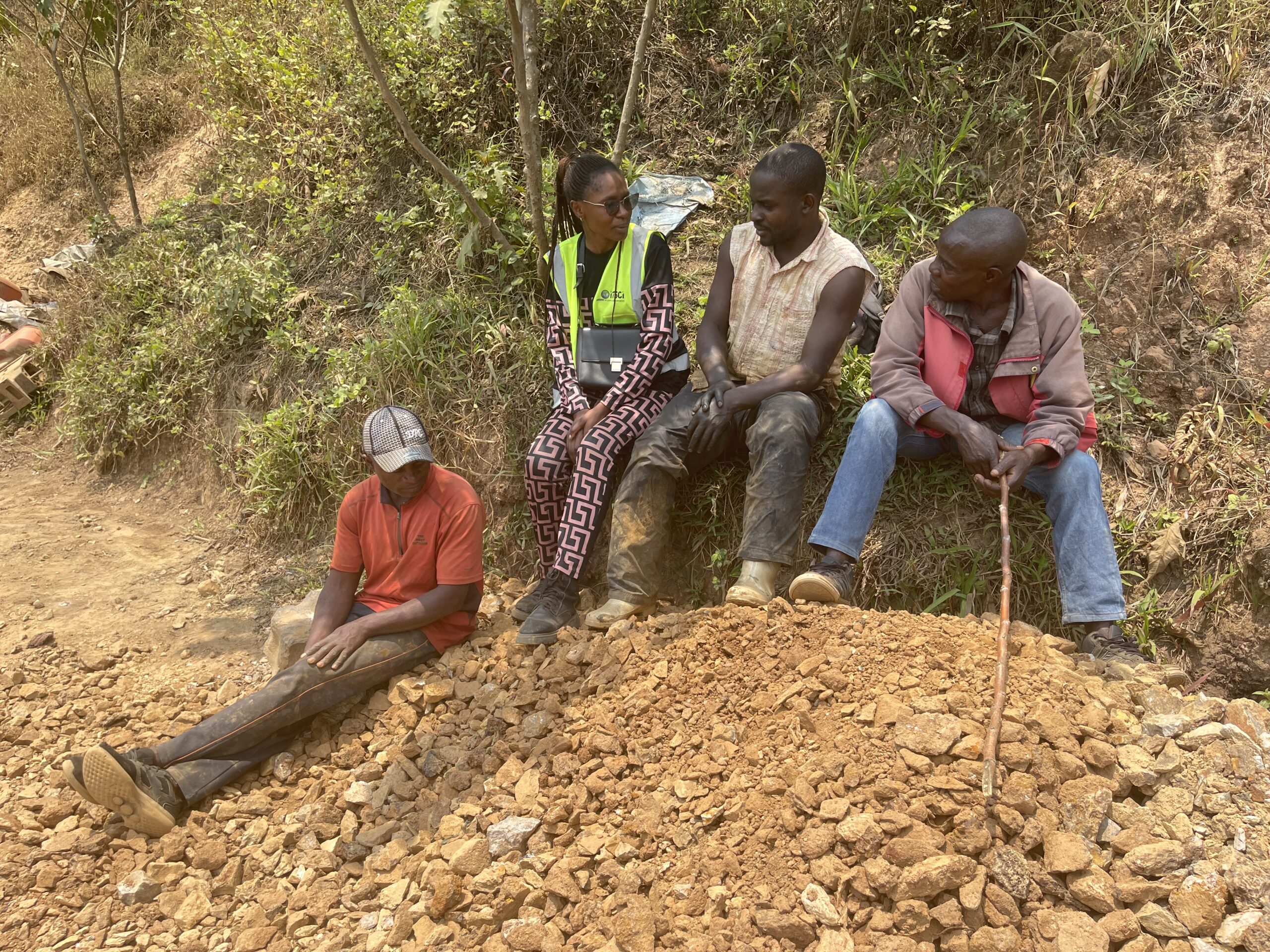
Discussion on traceability and due diligence with artisanal miners, Kalehe Territory, South Kivu Province.
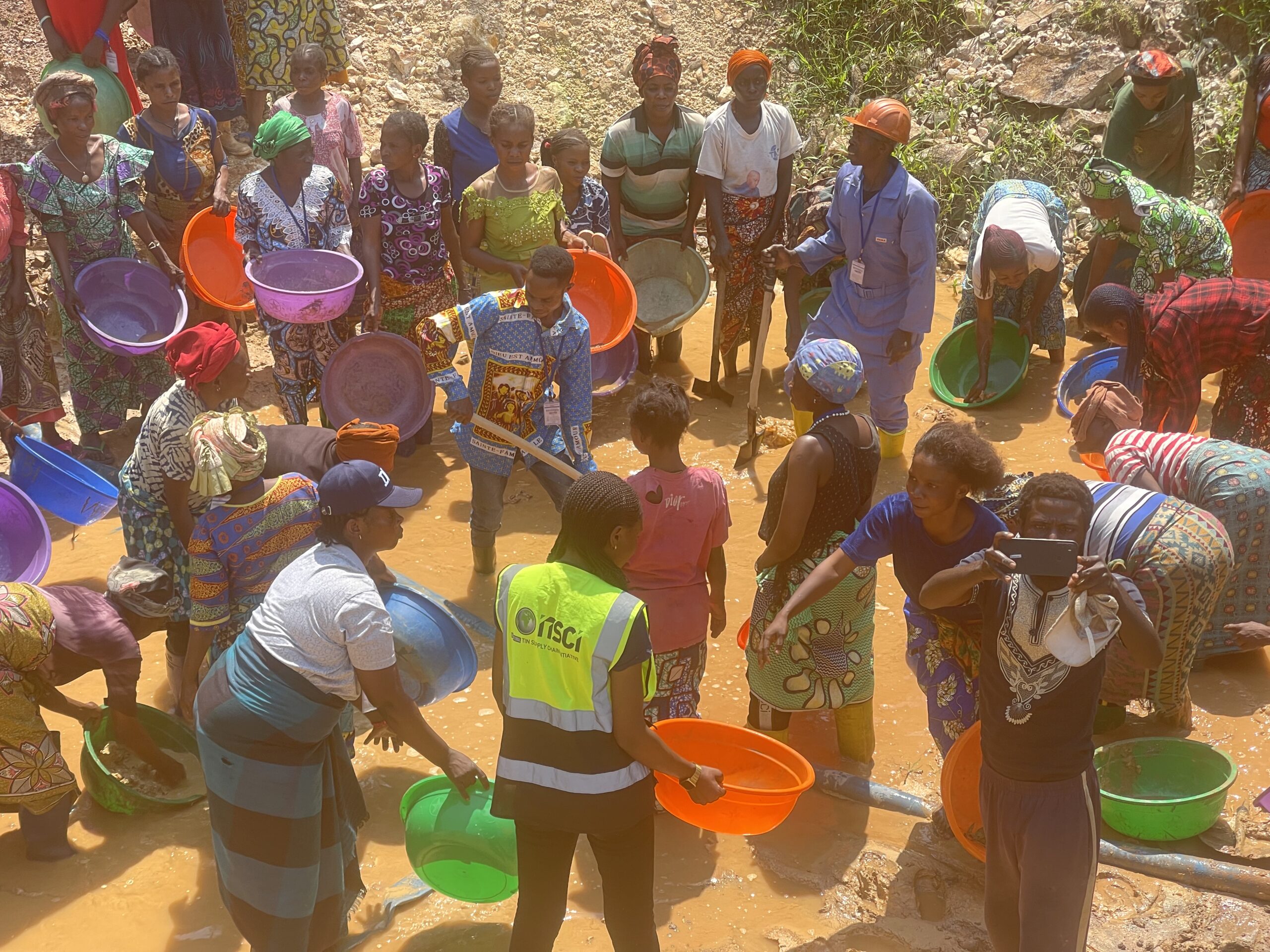
Launch of ITSCI activities in Kakanga sub-sector, Mwenga territory, South Kivu Province.