
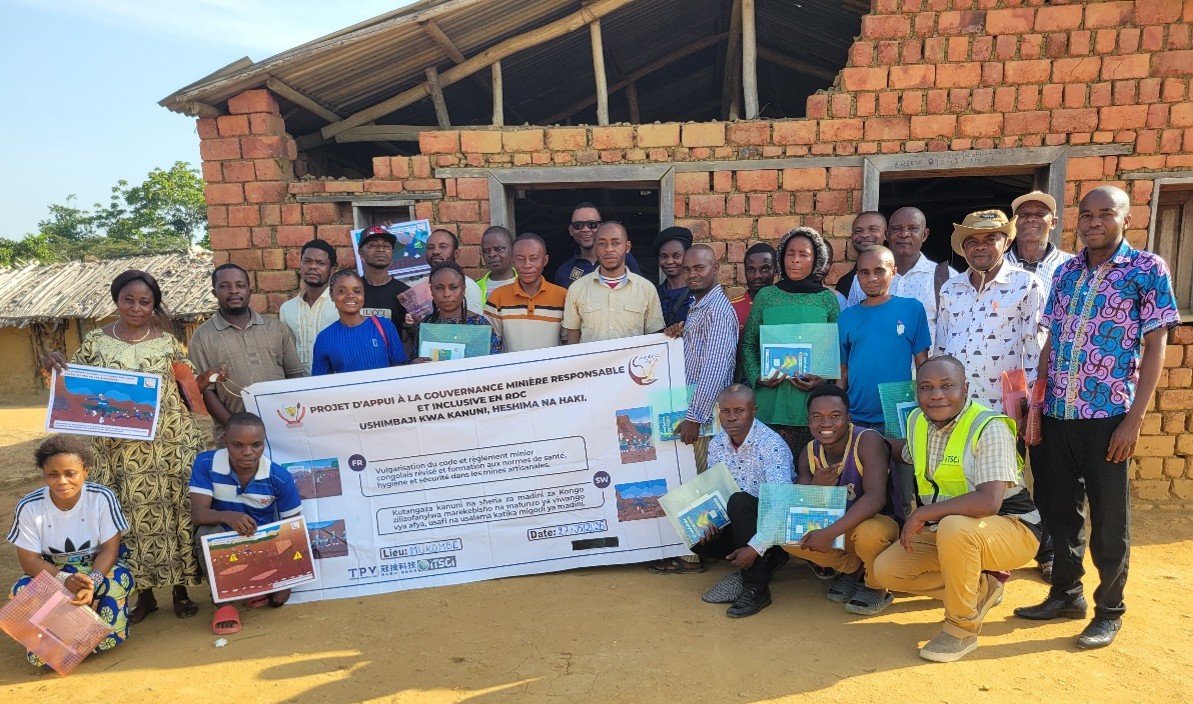
For many artisanal miners in Mukombe, a village located at the crossroads of three artisanal mines in Maniema Province, DRC, occupational health and safety risks have long been regarded as part of the realities of mining. Tunnel collapses, unstable slopes and poor ventilation are familiar risks in a region where artisanal mining provides livelihoods for entire communities. A recent occupational health and safety training, however, is helping miners challenge that perception and take practical steps to prevent accidents before they happen.
In May 2026, ITSCI field teams gathered 27 participants, including six women, to strengthen their knowledge of occupational health and safety (OHS) and discuss how to reduce risks at mine sites.
As part of the training, participants examined the hazards present in their mining areas and considered practical measures to prevent accidents and protect both miners and neighbouring communities. Discussions highlighted a wide range of risks, from tunnel collapses and poor ventilation in underground workings to slips, falls and unstable pit walls in open extraction areas. Women miners also shared the physical strain they experience when transporting minerals.
Through discussions between miners and community members, the training encouraged greater engagement. This led to a significant outcome: the creation of an OHS Committee for Mukombe, bringing together mining stakeholders, negociants, state mining services, civil society, and local authorities, with support from ITSCI field teams. The committee has established a group of local safety champions, who help miners identify hazards, promote awareness of good practices and monitor risks within their respective mining areas.
The establishment of the committee demonstrates the value of empowering local communities to drive improvements through local ownership. Through the Ushimbaji kwa Kanuni, heshima na Haki project, OHS committees help translate training into tangible action by providing a forum for discussion and encouraging practical risk-mitigation measures.
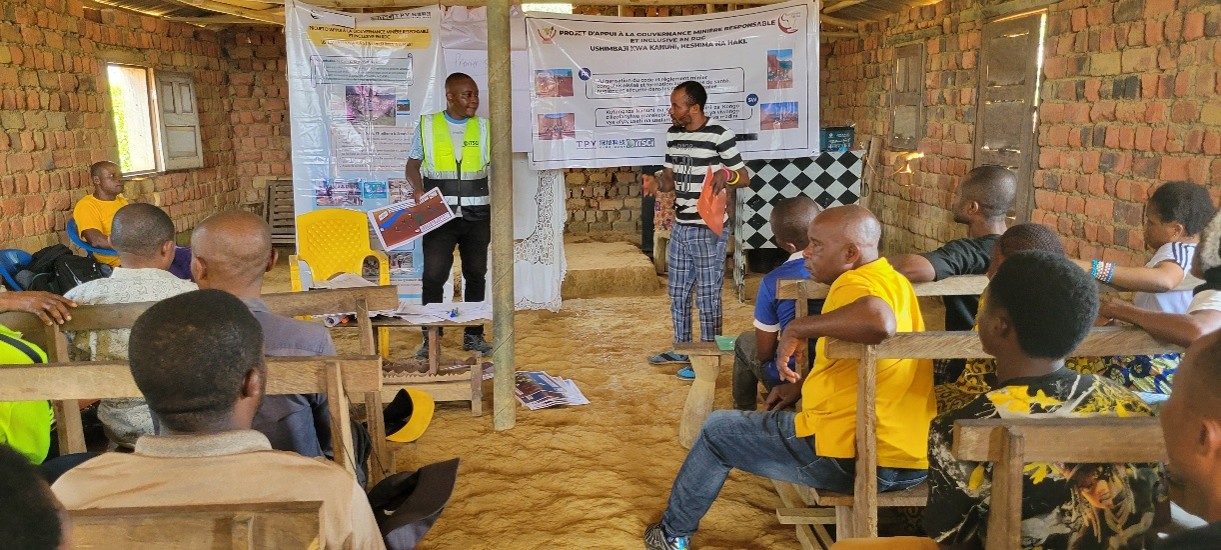
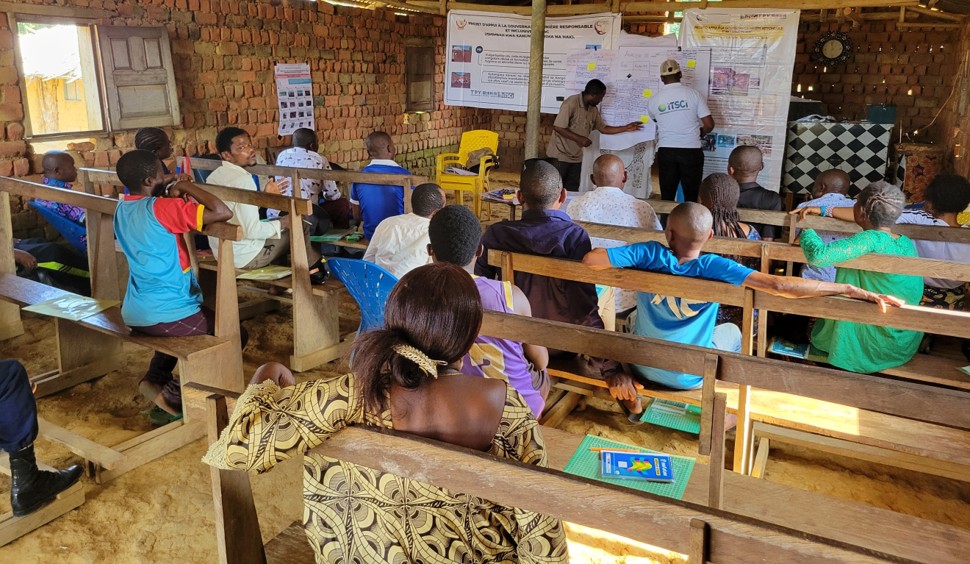
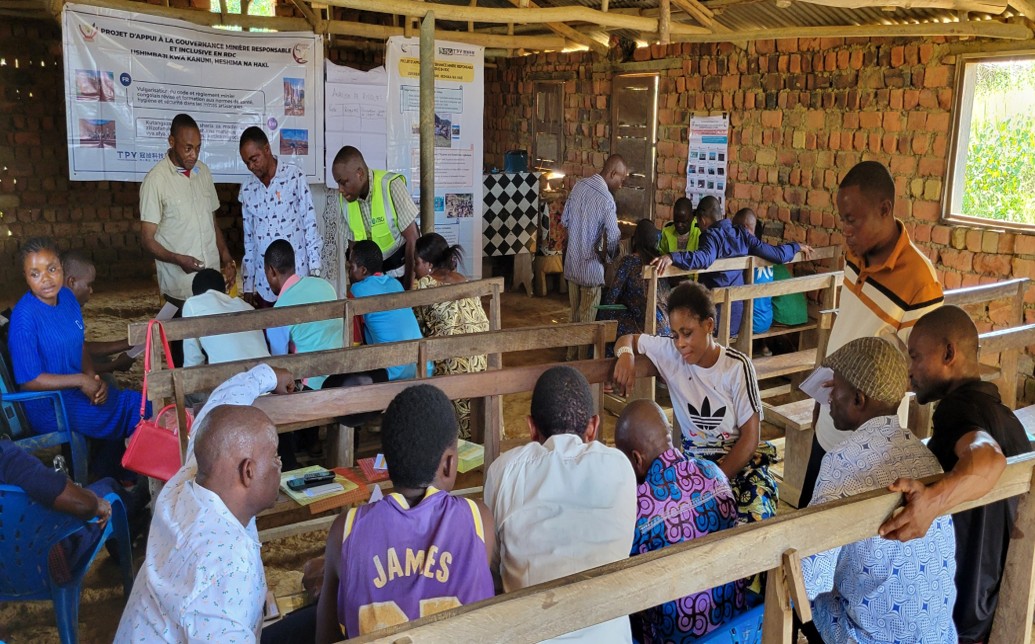
For many participants, the training changed long-held perceptions about mining risks. Mwenyemali Kangumbu, an artisanal miner from the ITSCI-monitored Lubile mine, explained:
“Before this training with ITSCI, we often considered accidents to be an unavoidable part of working in the mine. Today, I understand that many risks can be identified in advance and that simple measures can save lives. I have also realised that safety is everyone’s responsibility, not only that of cooperative leaders. This training has changed the way I see work in the mine: producing minerals is important, but protecting the lives of miners is more important.”
His reflections capture the shift in mindset that the project seeks to encourage: moving away from accepting risks as an inevitable part of mining and towards a more proactive approach, recognising the role that awareness, planning and collective responsibility can play in preventing accidents and improving safety.
Madeleine Tcheusi, a miner from the ITSCI-monitored Moka mine, also highlighted the value of the training. She noted that the knowledge gained would help her better identify hazards and raise awareness among miners about preventive measures, allowing her to contribute directly to a safer working environment.
The need for such community-led action remains evident. Recent observations in the Mukombe area included a minor hand injury after a rock fragment fell from an unstable slope while washing minerals at the Atondo mine. At the Mususano mine, miners narrowly avoided a potentially serious asphyxiation incident linked to poor ventilation in an underground shaft.
To support ongoing awareness-raising, ITSCI teams distributed posters, leaflets explaining the DRC Mining Code, and OHS awareness toolkits for use across ITSCI-monitored mines. These materials will help committee members conduct outreach activities and reinforce key health and safety messages directly at mine sites.
Looking ahead, Mukombe’s OHS Committee has committed to meeting regularly to review identified risks, assess progress and share lessons learned. Members also plan to organise feedback sessions with miners and other stakeholders to discuss challenges, solutions and improvements achieved on site.
The experience in Mukombe demonstrates how targeted training, concrete tools and strong local engagement can translate into meaningful change. By applying the knowledge gained through training in their daily activities, miners are becoming active contributors to safer mining practices within their communities. The newly established OHS Committee represents an important step towards safer working conditions and stronger prevention in the artisanal mining sector, one that aligns closely with the wider objectives of the Ushimbaji kwa Kanuni, heshima na Haki project to promote responsible, inclusive and sustainable mining practices in the DRC.
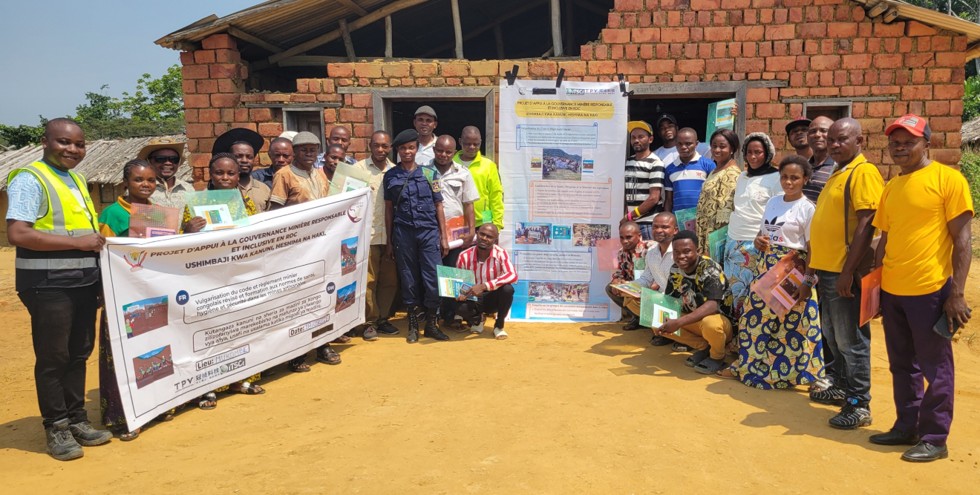
The project Ushimbaji kwa Kanuni, heshima na Haki (Supporting Responsible and Inclusive Mining Governance, funded by ITSCI Associate Participant TPV Technology, supports responsible sourcing while empowering local stakeholders to take practical action to improve conditions at mine sites. The project includes key components including capacity-building of multi-stakeholder committees; capacity-building of ITSCI field officers; supporting the formalisation of mining cooperatives; DRC Mining Code and OHS awareness-raising sessions; establishing new OHS committees; and awareness raising of gender and discriminations. Read more about the project here.