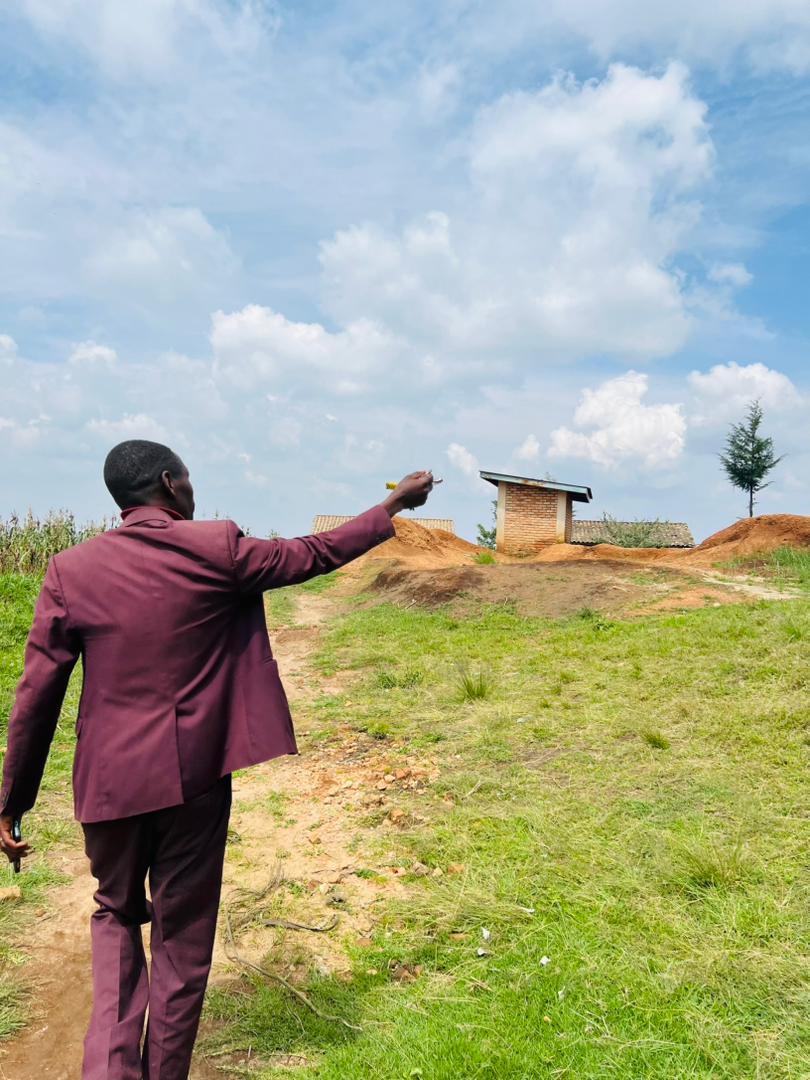
Responsible sourcing not only strengthens supply chain transparency, it also creates tangible, lasting benefits for communities living in mining areas. Through the ITSCI Programme, companies commit to clear standards designed to promote accountability, reduce and mitigate risks, and build trust between companies, authorities and local communities. In the stable environment created by these practices, companies are better positioned to invest in local development , especially in mining areas where basic social services are limited. Across ITSCI‑monitored areas, these investments are becoming visible proof that responsible sourcing frameworks can deliver positive, practical outcomes on the ground.
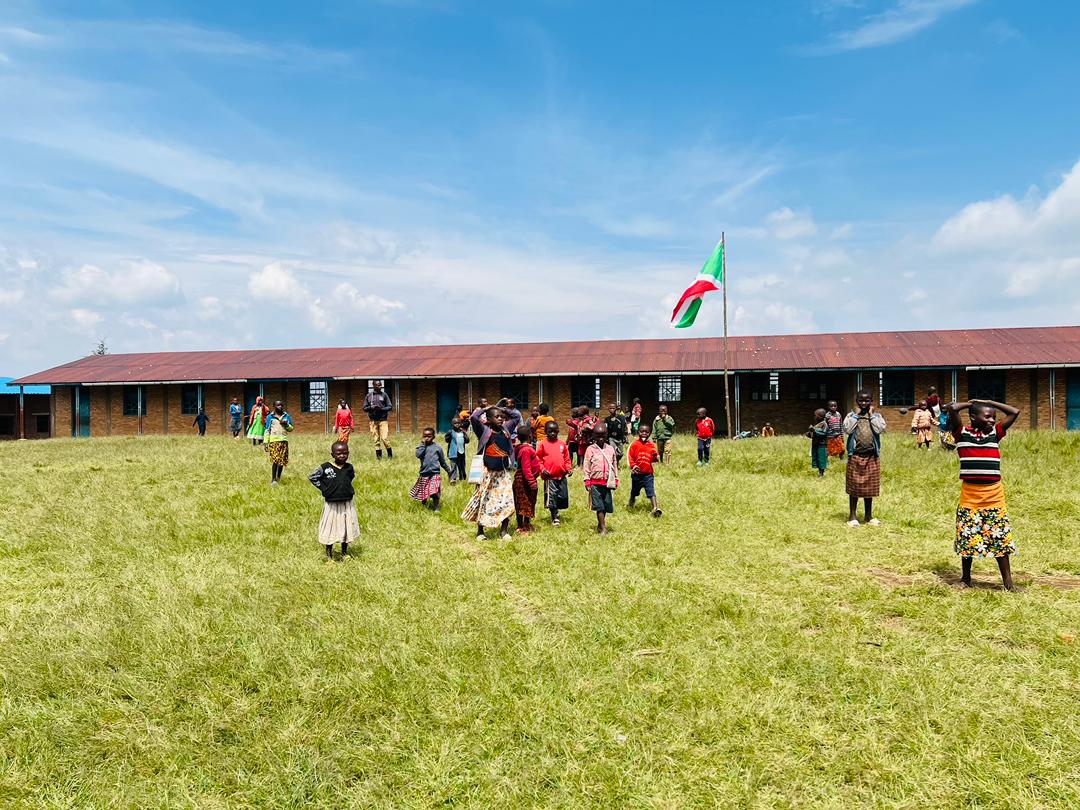
One example comes from Buvumo II Primary School in Kayanza Commune, Butanyerera Province, Burundi. For years, the school operated with only a few classrooms, all dedicated to the first cycle, leaving older students with no choice but to walk long distances to reach schools hosting second-cycle education elsewhere. The lack of facilities had become a barrier to learning and a burden for both children and their families.
Thanks to the stability and trust in the mining sector created by responsible sourcing practices, ITSCI Full Exporter Member Comptoir Minier des Exploitations des Minerais du Burundi (COMEBU), was able to step in. COMEBU supported the construction of new classroom blocks, enabling the school to host the second cycle on-site for the first time in 2025. The new facilities have reduced daily travel for students, eased pressure on parents, and lowered the risk of school drop‑off.
Innocent, a sixth‑grade student, explained that having new classrooms close to home means he can continue his education without the long journeys to another school.
“I would like to thank those who took the initiative to build these six classrooms because I will be able to continue studying close to home and will not get tired anymore.”
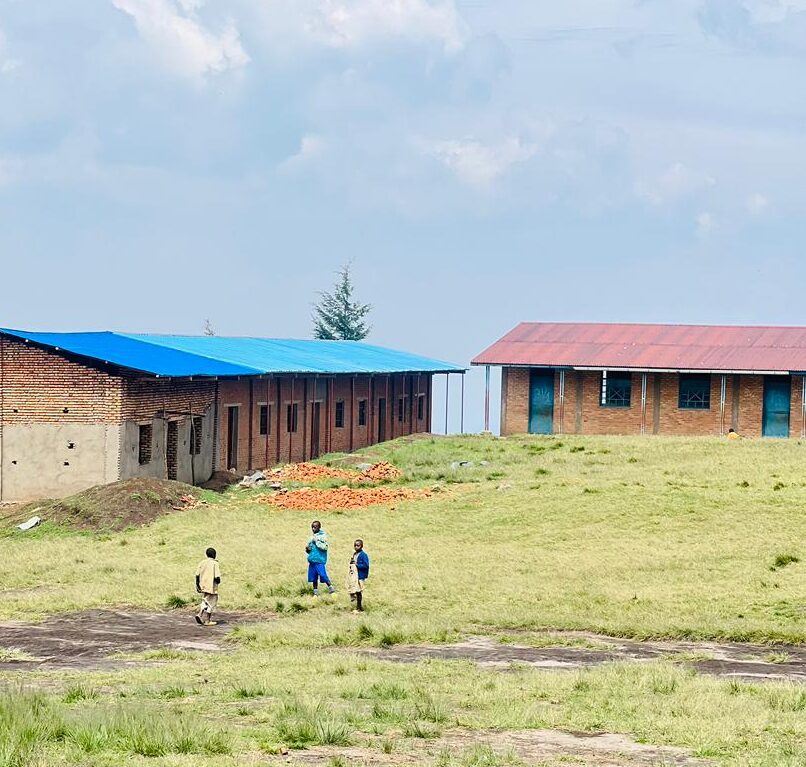
Parents such as Marceline expressed their gratitude for the investment and highlighted further community needs. Teachers at the school are equally appreciative. Marcelle, both a teacher and a parent, welcomed the support and described the additional space as a long‑awaited improvement that strengthens the quality of teaching and learning. With more classrooms, students learn in better conditions, teachers face fewer constraints, and children no longer have to walk long distances to attend school – demonstrating how cooperation between companies, communities and local authorities can address shared challenges.
The experience of Buvumo II illustrates how responsible sourcing can go beyond meeting international requirements. By fostering inclusive and transparent mining practices, the ITSCI Programme helps create an environment in which companies feel encouraged and empowered to contribute constructively to community wellbeing.
COMEBU Technical Director, Niyonzima Jean Christophe, explains how, when operations are stable and risks reduced, companies can have a longer-term vision and invest in projects that address local needs:
“ITSCI supports us with guidance on due diligence and responsible mining practices. To carry out mining sustainably and for a long period of time, a mining company must not only have good collaboration with the surrounding community but also help prevent children who are not in school from being tempted to work in mining.”
In this case, the new classrooms represent a practical improvement to local infrastructure and show how responsible practices can contribute to longer‑term community development. Through its contribution at Buvumo II Primary School, COMEBU demonstrates how responsible sourcing practices can translate into meaningful change for people living closest to mining activities. This initiative is a reminder that responsible mineral supply chains can help foster positive outcomes, even in Conflict-Affected and High-Risk Areas.
In Burundi, ITSCI monitors over 300 mine sites across four Provinces, supporting ~6,400 artisanal miners.